
Fortfahren mit
S2519

Anti-Soy Protein antibody produced in rabbit
fractionated antiserum, buffered aqueous solution
Anmelden zur Ansicht der Organisations- und Vertragspreise.
Größe auswählen
Ansicht ändern
| Packungsgröße | SKU | Verfügbarkeit | Preis |
|---|
Über diesen Artikel
Conjugate:
unconjugated
Clone:
polyclonal
Application:
DB, ELISA (i)
Citations:
13
Preise und Verfügbarkeit sind derzeit nicht verfügbar.
Technischer Dienst
Benötigen Sie Hilfe? Unser Team von erfahrenen Wissenschaftlern ist für Sie da.
Unterstützung erhaltenbiological source
rabbit
Quality Level
conjugate
unconjugated
antibody form
fractionated antiserum
antibody product type
primary antibodies
clone
polyclonal
form
buffered aqueous solution
species reactivity
soy
technique(s)
dot blot: 1:500, indirect ELISA: 1:5,000
shipped in
dry ice
storage temp.
−20°C
target post-translational modification
unmodified
General description
Some cross-reaction is observed with extracts from wheat flour and ovalbumin; no cross-reaction is observed with extracts from maize, rice, potato flour, casein, or meat.
Soy protein in a variety of forms is the basis of many low cholesterol foods and may also be incorporated in animal meat products.
Soy protein is obtained from soybeans. This legume is free of cholesterol and is low in saturated fat. It is mainly used as a replacement for animal proteins in an individual′s diet. This vegetable food has all eight essential amino acids. Soy protein can be used as meat extenders or analogues.
Immunogen
renatured soy protein extracted from soy acetone powder with hot urea.
Application
Anti-Soy Protein antibody produced in rabbit has been used in:
- enzyme-linked immunosorbent assay (ELISA)
- supershift analysis
- fluorescent imaging
- immunostaining to probe polyvinylene diflouride (PVDF)-bound proteins for cross-reactivity
Anti-Soy Protein antibody produced in rabbit was used for soy quantification in natural rubber latex glove extracts by ELISA at 1:2000 dilution. It was used as a control in supershift analysis of growth-hormone-induced protein binding to lactogenic hormone-responsive region.
Biochem/physiol Actions
Soy protein is a rich source of isoflavones that act as estrogen analogs. They exert both estrogenic and anti-estrogenic effects depending on the tissue in which they act. Isoflavones effect the lipid and bone metabolism and may act as a potential alternative to estrogen in post-menopausal women.
Physical form
Solution in 0.01 M phosphate buffered saline, pH 7.4, containing 15 mM sodium azide.
Disclaimer
Unless otherwise stated in our catalog or other company documentation accompanying the product(s), our products are intended for research use only and are not to be used for any other purpose, which includes but is not limited to, unauthorized commercial uses, in vitro diagnostic uses, ex vivo or in vivo therapeutic uses or any type of consumption or application to humans or animals.
1 of 1
Dieser Artikel | |||
|---|---|---|---|
| antibody form fractionated antiserum | antibody form fractionated antiserum | antibody form purified immunoglobulin | antibody form IgG fraction of antiserum |
| conjugate unconjugated | conjugate peroxidase conjugate | conjugate biotin conjugate | conjugate unconjugated |
| biological source rabbit | biological source rabbit | biological source mouse | biological source rabbit |
| Quality Level 200 | Quality Level 200 | Quality Level 200 | Quality Level 200 |
| clone polyclonal | clone polyclonal | clone PT-66, monoclonal | clone polyclonal |
| species reactivity soy | species reactivity oats, rye, soy, barley, wheat | species reactivity - | species reactivity - |

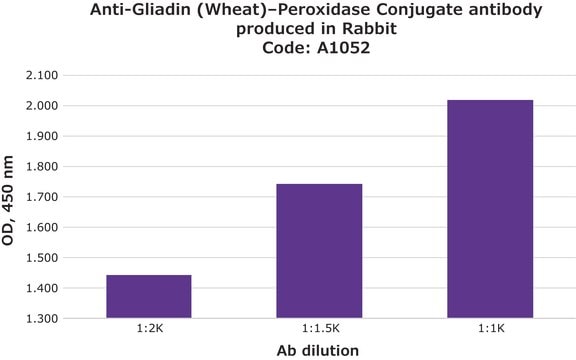
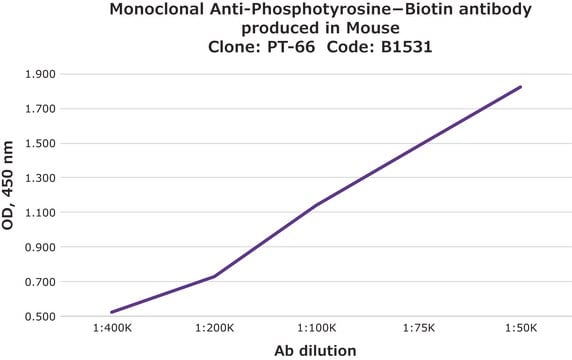
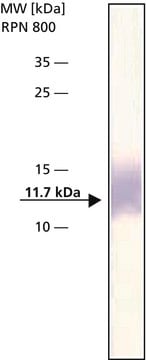
Still not finding the right product?
Probieren Sie unser Produkt-Auswahlhilfe, um Ihre Auswahl einzugrenzen
flash_point_f
Not applicable
flash_point_c
Not applicable
wgk
nwg
Lagerklasse
12 - Non Combustible Liquids
Hier finden Sie alle aktuellen Versionen:
Besitzen Sie dieses Produkt bereits?
In der Dokumentenbibliothek finden Sie die Dokumentation zu den Produkten, die Sie kürzlich erworben haben.
Verwandter Inhalt
Datasheet
Flight movement and spatial distribution of immunomarked thrips in onion, potato, and tomato
Fernandes FL and Fernandes MES
Pesquisa Agropecuaria Brasileira, 50(5), 399-406 (2015)
Activation of the signal transducers and activators of transcription signaling pathway by growth hormone (GH) in skin fibroblasts from normal and GH binding protein-positive Laron Syndrome children
Freeth JS, et al.
Endocrinology, 139(1), 20-28 (1998)
J S Freeth et al.
Endocrinology, 139(1), 20-28 (1998-01-08)
We have previously described two families (H and M) with GH binding protein-positive Laron Syndrome (LS), proposed to have one or more post GHR signaling defects. In the present study, we have examined whether the signal transducers and activators of
Global Trade Item Number
| SKU | GTIN |
|---|---|
| S2519-.5ML | 04061836286415 |
| S2519-1ML | 04061837861611 |