
Iniciar sesión para ver los precios por organización y contrato.
Seleccione un Tamaño
Cambiar Vistas
| Tamaño de envase | SKU | Disponibilidad | Precio |
|---|
Acerca de este artículo
Fórmula empírica (notación de Hill):
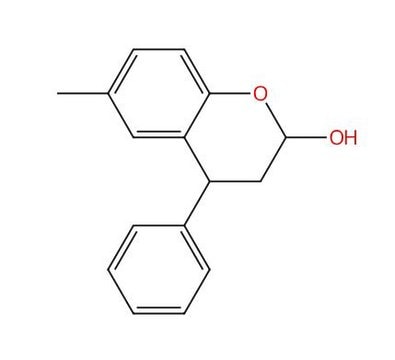
C16H16O2
Número CAS:
Peso molecular:
240.30
MDL number:
NACRES:
NA.24
UNSPSC Code:
41116107
En este momento no podemos mostrarle ni los precios ni la disponibilidad
Servicio técnico
¿Necesita ayuda? Nuestro equipo de científicos experimentados está aquí para ayudarle.
Permítanos ayudarlegrade
pharmaceutical analytical impurity (PAI)
agency
USP
manufacturer/tradename
USP
application(s)
pharmaceutical
format
neat
storage temp.
2-8°C
General description
[6-Methyl-4-phenylchromanol (25 mg) (6-Methyl-4-phenylchroman-2-ol)] - CAS [209747-04-6] (usp.org)6-Methyl-4-Phenylchromanol is a USP Pharmaceutical Analytical Impurity (PAI).
USP PAI are a product line of impurities suitable for research and analytical purposes, which help to ensure the quality and safety of medicines.
Associated Drug Substance: Tolterodine tartrate.
Therapeutic Area: Renal.
For more information about this PAI, visit here.
USP PAI are a product line of impurities suitable for research and analytical purposes, which help to ensure the quality and safety of medicines.
Associated Drug Substance: Tolterodine tartrate.
Therapeutic Area: Renal.
For more information about this PAI, visit here.
Application
6-Methyl-4-Phenylchromanol (USP PAI) is intendedfor use in analytical testing to detect, identify, and measure pharmaceuticalimpurities.
Features and Benefits
USP PAI advance your early analytical R&D and process development. PAI can be used in the following applications:
1. Conduct analytical tests during early formulation feasibility studies.
2. Determine degradation impurities produced during stress studies.
3. Develop, validate, and transfer analytical methods.
4. Perform spiking studies during process R&D to demonstrate depletion upon recrystallization.
5. Record retention times and/or spectra
6. Determine relative response factors.
7. Identify unknown impurities that formed during ICH stability conditions.
8. Identify impurities that are present in the Reference Listed Drug
9. Test for and profile impurities not listed in drug substance and drug product monographs.
1. Conduct analytical tests during early formulation feasibility studies.
2. Determine degradation impurities produced during stress studies.
3. Develop, validate, and transfer analytical methods.
4. Perform spiking studies during process R&D to demonstrate depletion upon recrystallization.
5. Record retention times and/or spectra
6. Determine relative response factors.
7. Identify unknown impurities that formed during ICH stability conditions.
8. Identify impurities that are present in the Reference Listed Drug
9. Test for and profile impurities not listed in drug substance and drug product monographs.
1 of 1
Este artículo | |||
|---|---|---|---|
| grade pharmaceutical analytical impurity (PAI) | grade pharmaceutical analytical impurity (PAI) | grade FG, Kosher, natural | grade - |
| manufacturer/tradename USP | manufacturer/tradename USP | manufacturer/tradename - | manufacturer/tradename - |
| application(s) pharmaceutical | application(s) pharmaceutical | application(s) - | application(s) - |
| format neat | format neat | format - | format - |
| storage temp. 2-8°C | storage temp. 2-8°C | storage temp. 2-8°C | storage temp. - |
| agency USP | agency USP | agency meets purity specifications of JECFA | agency - |


Clase de almacenamiento
11 - Combustible Solids
wgk
WGK 3
flash_point_f
Not applicable
flash_point_c
Not applicable
Elija entre una de las versiones más recientes:
¿Ya tiene este producto?
Encuentre la documentación para los productos que ha comprado recientemente en la Biblioteca de documentos.
Número de artículo de comercio global
| SKU | GTIN |
|---|---|
| 1A01050-25MG | 04065269107330 |