
F2733

Fibronectin-FITC
FITC-labeled human plasma fibronectin, Suitable for cell culture
Synonym(s):
Fibronectin
Sign In to View Organizational & Contract Pricing.
Select a Size
Change View
| Size/SKU | Availability | Price |
|---|---|---|
1 mL | Check Cart for Availability | $494.00 |
About This Item
UNSPSC Code:
12352202
NACRES:
NA.75
Biological source:
human
Form:
liquid
biological source
human
Quality Segment
form
liquid
storage condition
protect from light
dilution
(invadopodia invasion assay: suitable)
shipped in
dry ice
storage temp.
−20°C
General description
Fibronectin is purified from human plasma (Cat. No. F0895). The protein is modified to contain covalently linked Fluorescein 5-isothiocyanate (Cat. No. F7250).
Fibronectin, also known as Cold-insoluble globulin, is a large glycoprotein of the extracellular matrix that is coded by FN1 gene. It is expressed in the plasma and at the cell surface. Fibronectin is a ubiquitous and essential component of the extracellular matrix (ECM) and plays a vital role during tissue repair. Fibronectin functions both as a regulator of cellular processes and an important scaffolding protein to maintain and direct tissue organization and ECM composition. Fibronectin plays an important role in cell adhesion and spreading and affect the routes of cell migration both in vivo and in culture.
Proteolytic degradation of extracellular matrix (ECM) is a critical step during cell invasion and tissue transmigration that is required for many physiological and pathological processes. Cellular structures that mediate cell adhesion to, degradation of, and invasion into ECM are invadopodia of transformed and tumor cells and podosomes of osteoclasts, macrophages, normal monocytic, endothelial, and smooth muscle cells. The ability to degrade extracellular matrix (ECM) is a hallmark of invasive tumors and is thought to be essential for the movement of cancer cells through tissue barriers.
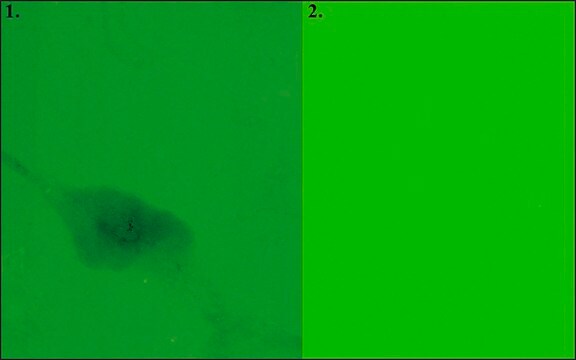
The invadopodia assay is method that has been most informative for pinpointing regions of the cell that initiate invasion involve plating cells on a culture surface coated with a thin layer of fluorescently labeled matrix, and visualizing regions where the cell has degraded the matrix to create an area devoid of fluorescence.The assay have revealed that invasive cells extend small localized protrusions that degrade the matrix. This invadopodia invasion assay may be used for assessing activity of different cell types as well as individual cells in heterogeneous populations may be analyzed for invasive potential. The number and invadopodia activity are sensitive to some physical or chemical factors such as: cell type, matrix rigidity, density of cell layer.
Fibronectin, also known as Cold-insoluble globulin, is a large glycoprotein of the extracellular matrix that is coded by FN1 gene. It is expressed in the plasma and at the cell surface. Fibronectin is a ubiquitous and essential component of the extracellular matrix (ECM) and plays a vital role during tissue repair. Fibronectin functions both as a regulator of cellular processes and an important scaffolding protein to maintain and direct tissue organization and ECM composition. Fibronectin plays an important role in cell adhesion and spreading and affect the routes of cell migration both in vivo and in culture.
Proteolytic degradation of extracellular matrix (ECM) is a critical step during cell invasion and tissue transmigration that is required for many physiological and pathological processes. Cellular structures that mediate cell adhesion to, degradation of, and invasion into ECM are invadopodia of transformed and tumor cells and podosomes of osteoclasts, macrophages, normal monocytic, endothelial, and smooth muscle cells. The ability to degrade extracellular matrix (ECM) is a hallmark of invasive tumors and is thought to be essential for the movement of cancer cells through tissue barriers.
The invadopodia assay is method that has been most informative for pinpointing regions of the cell that initiate invasion involve plating cells on a culture surface coated with a thin layer of fluorescently labeled matrix, and visualizing regions where the cell has degraded the matrix to create an area devoid of fluorescence.The assay have revealed that invasive cells extend small localized protrusions that degrade the matrix. This invadopodia invasion assay may be used for assessing activity of different cell types as well as individual cells in heterogeneous populations may be analyzed for invasive potential. The number and invadopodia activity are sensitive to some physical or chemical factors such as: cell type, matrix rigidity, density of cell layer.
1 of 1
This Item | |||
|---|---|---|---|
| description FITC-labeled human plasma fibronectin, Suitable for cell culture | description solution, sterile-filtered, BioReagent, suitable for cell culture | description cell culture derived, ~0.5 mg/mL, sterile-filtered, BioReagent, suitable for cell culture | description lyophilized powder, BioReagent, suitable for cell culture |
| biological source human | biological source bovine plasma | biological source human fibroblasts | biological source human plasma |
| Quality Level 200 | Quality Level 200 | Quality Level 200 | Quality Level 200 |
| form liquid | form solution | form solution | form lyophilized powder |
| shipped in dry ice | shipped in wet ice | shipped in dry ice | shipped in dry ice |
| storage temp. −20°C | storage temp. 2-8°C | storage temp. −20°C | storage temp. −20°C |
| storage condition protect from light | storage condition - | storage condition - | storage condition - |

Storage Class
12 - Non Combustible Liquids
wgk
WGK 1
Choose from one of the most recent versions:
Already Own This Product?
Find documentation for the products that you have recently purchased in the Document Library.