
N5037

Anti-Neurabin II (C-terminal) antibody produced in rabbit
affinity isolated antibody, buffered aqueous solution
Sinónimos:
Anti-Neural-tissue Specific F-actin Binding Protein II, Anti-PP1bp134, Anti-Protein Phosphatase 1 Regulatory Subunit 9B, Anti-Spinophilin
Acerca de este artículo
biological source
rabbit
conjugate
unconjugated
antibody form
affinity isolated antibody
antibody product type
primary antibodies
clone
polyclonal
form
buffered aqueous solution
mol wt
antigen 140 kDa
species reactivity
rat, mouse, canine
technique(s)
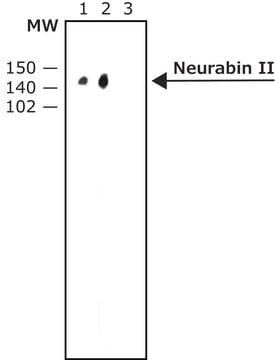
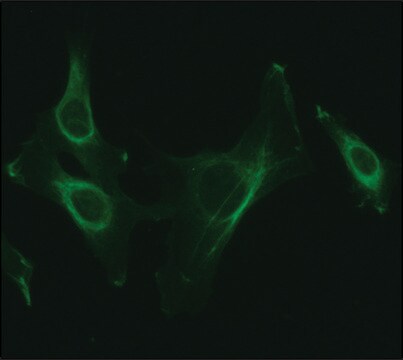
immunoprecipitation (IP): 10-20 μg using rat brain extract (S1 fraction), indirect immunofluorescence: 10-20 using MDCK cells., microarray: suitable, western blot: 1-2 μg/mL using mouse and rat brain extracts (S1 fraction)
UniProt accession no.
shipped in
dry ice
storage temp.
−20°C
target post-translational modification
unmodified
Gene Information
human ... PPP1R9B(84687)
mouse ... Ppp1r9b(217124)
rat ... Ppp1r9b(84686)
General description
Immunogen
Application
- immunoblotting
- immunoprecipitation
- immunocytochemistry
Biochem/physiol Actions
Physical form
Disclaimer
1 of 1
Este artículo | |||
|---|---|---|---|
| conjugate unconjugated | conjugate unconjugated | conjugate unconjugated | conjugate unconjugated |
| antibody form affinity isolated antibody | antibody form affinity isolated antibody | antibody form affinity isolated antibody | antibody form affinity isolated antibody |
| biological source rabbit | biological source rabbit | biological source rabbit | biological source rabbit |
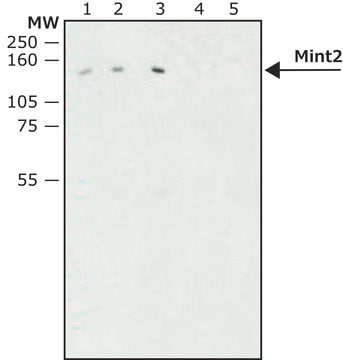
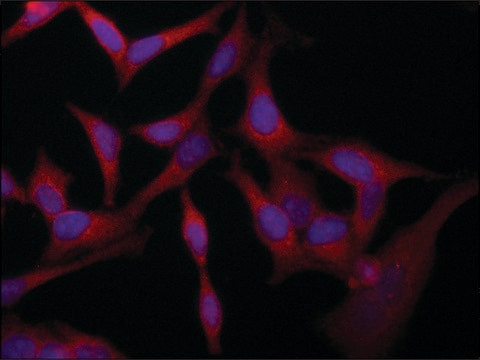
| technique(s) immunoprecipitation (IP): 10-20 μg using rat brain extract (S1 fraction), microarray: suitable, indirect immunofluorescence: 10-20 using MDCK cells., western blot: 1-2 μg/mL using mouse and rat brain extracts (S1 fraction) | technique(s) indirect immunofluorescence: 10-20 μg/mL using NIH3T3 cells, western blot: 1.5-3.0 μg/mL using rat adrenal extract (S1 fraction) and mouse testis extract (S1 fraction) | technique(s) immunoprecipitation (IP): 5-10 μg using a rat brain extract (S1 fraction)., microarray: suitable, western blot: 0.25-0.5 μg/mL using rat brain extract (S1 fraction) | technique(s) immunoprecipitation (IP): 10-15 μg using A431 cell lysates, indirect immunofluorescence: 8-16 μg/mL using HeLa cells, western blot: 1-2 μg/mL using extracts of mouse brain (S1 fraction) or rat brain (S1 fraction) |
| storage temp. −20°C | storage temp. −20°C | storage temp. −20°C | storage temp. −20°C |
| UniProt accession no. | UniProt accession no. | UniProt accession no. | UniProt accession no. |
Still not finding the right product?
Pruebe nuestra Herramienta de selección de productos para limitar sus opciones
Clase de almacenamiento
10 - Combustible liquids
wgk
nwg
flash_point_f
Not applicable
flash_point_c
Not applicable
Elija entre una de las versiones más recientes:
¿Ya tiene este producto?
Encuentre la documentación para los productos que ha comprado recientemente en la Biblioteca de documentos.